Peter Pepper Vegetable Seeds Packet
Peter Pepper seeds for the kitchen garden that intends to actually produce peter pepper this year. The Peter Pepper is grown for its flavour and its remarkable shape, in that order, technically.
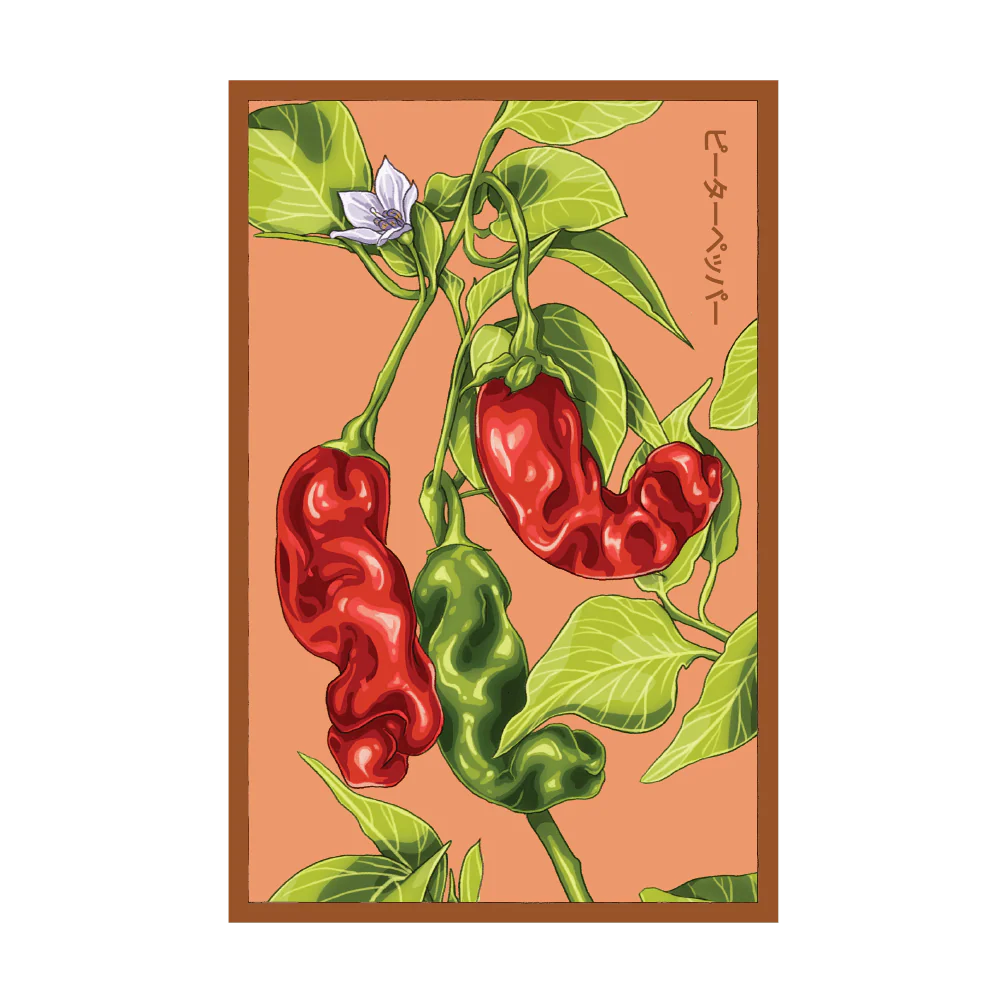
Peter Pepper is a medium-heat heirloom pepper with a famously unusual shape that tends to generate conversation at the market. Each packet is hermetically vacuum-sealed -- removing the oxygen that causes standard paper seed packets to lose germination viability within approximately one year. State law requires a 3-year viability label on sealed packaging. NASA research on hermetic seed storage indicates viability of up to 10 years under proper conditions. Every packet is non-GMO and germination-tested at independent third-party labs before it earns its Japanese woodblock print artwork.
How to Grow Peter Pepper from Seed
Sowing and Germination
Start indoors 8-10 weeks before last frost at 24-27C. Transplant after soil warms.
Care and Harvest
Medium heat. Ornamental shape. 70-80 days. Matures from green to red. Also known as the chili penis for its distinctive form.
Why Vacuum-Sealed Seeds Last Longer
Standard paper seed packets are permeable to oxygen and moisture -- the two primary causes of seed degradation. Most paper-packaged seeds begin losing germination viability after approximately one year, contributing to significant garden-industry waste: packets purchased, not planted, expired, discarded. Shido Seeds are hermetically vacuum-sealed. The packet does not expire quietly in a drawer. It waits.
About the Packaging
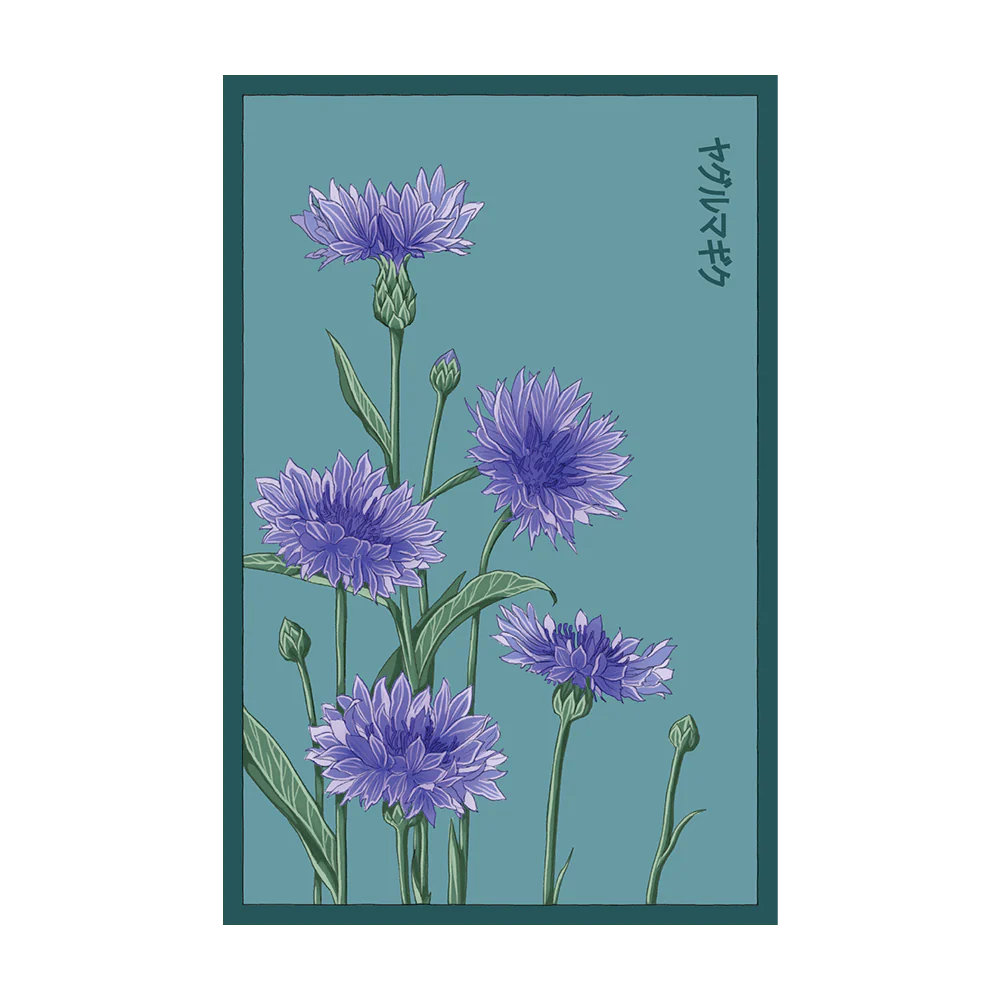
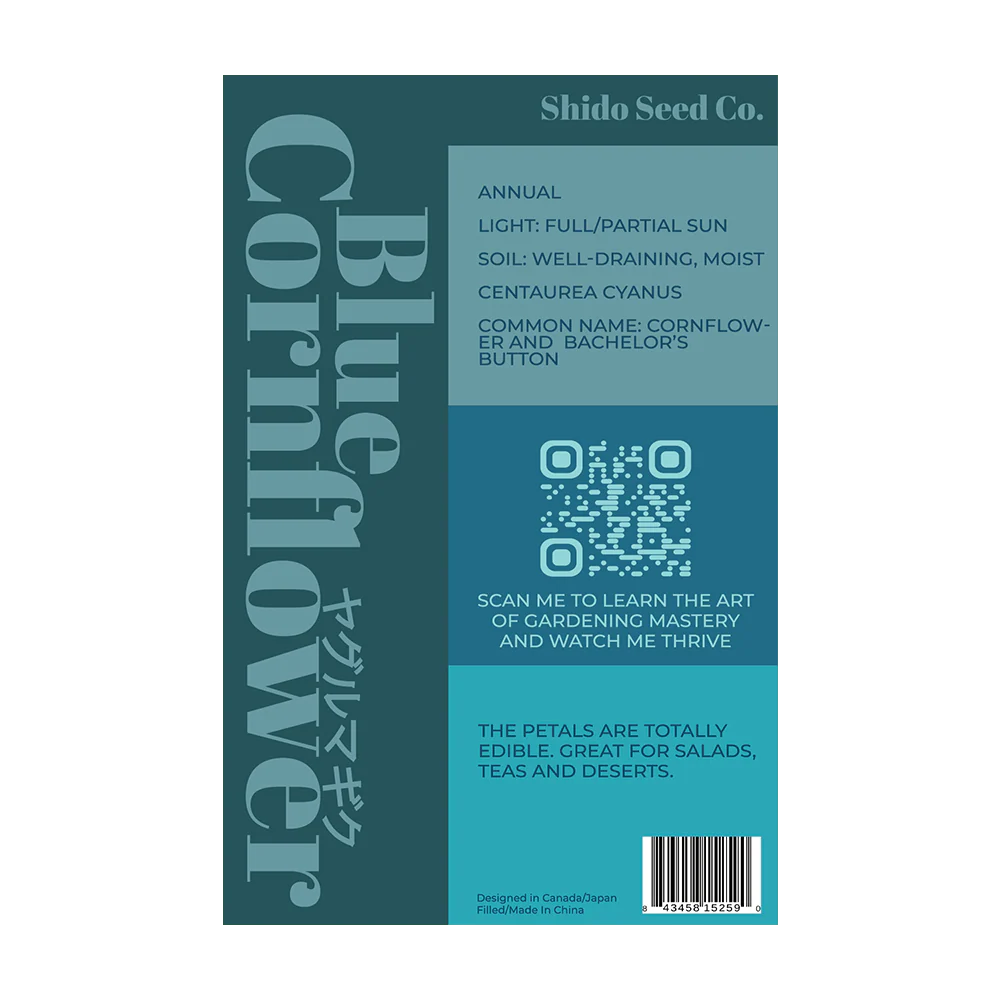
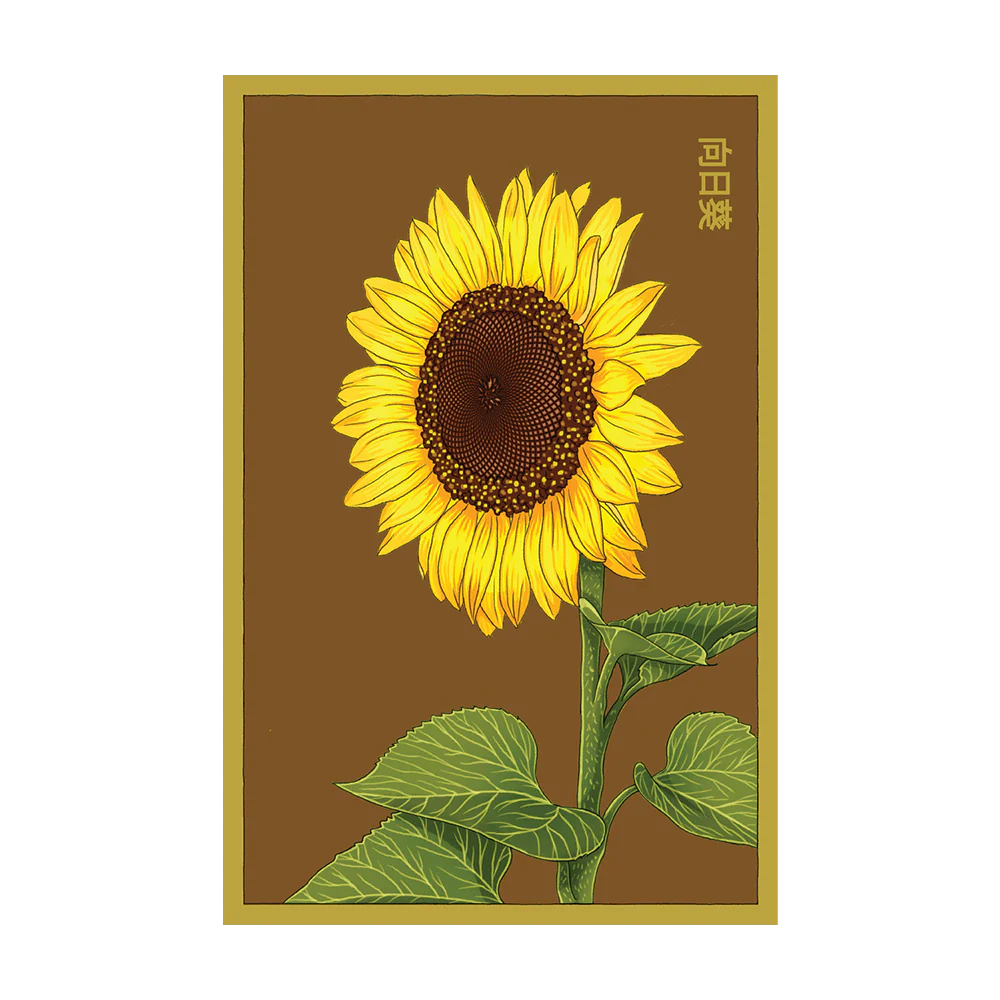
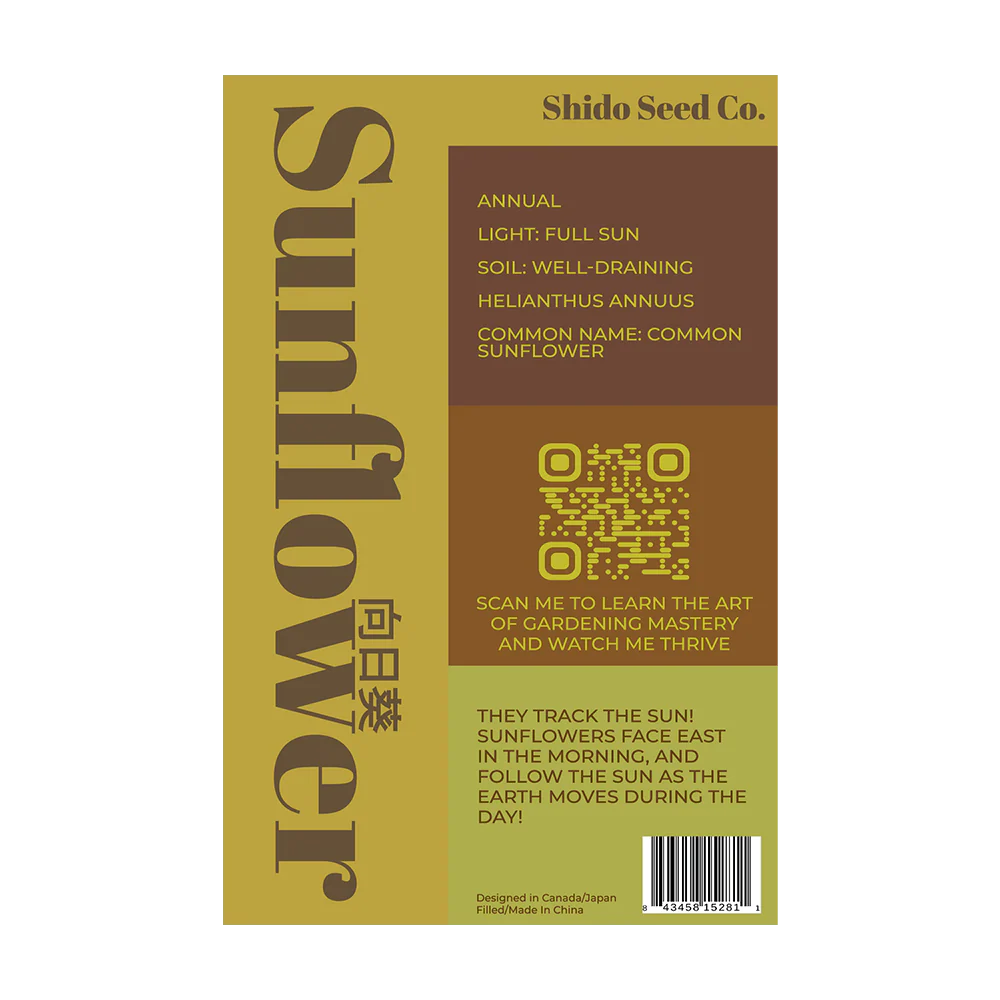
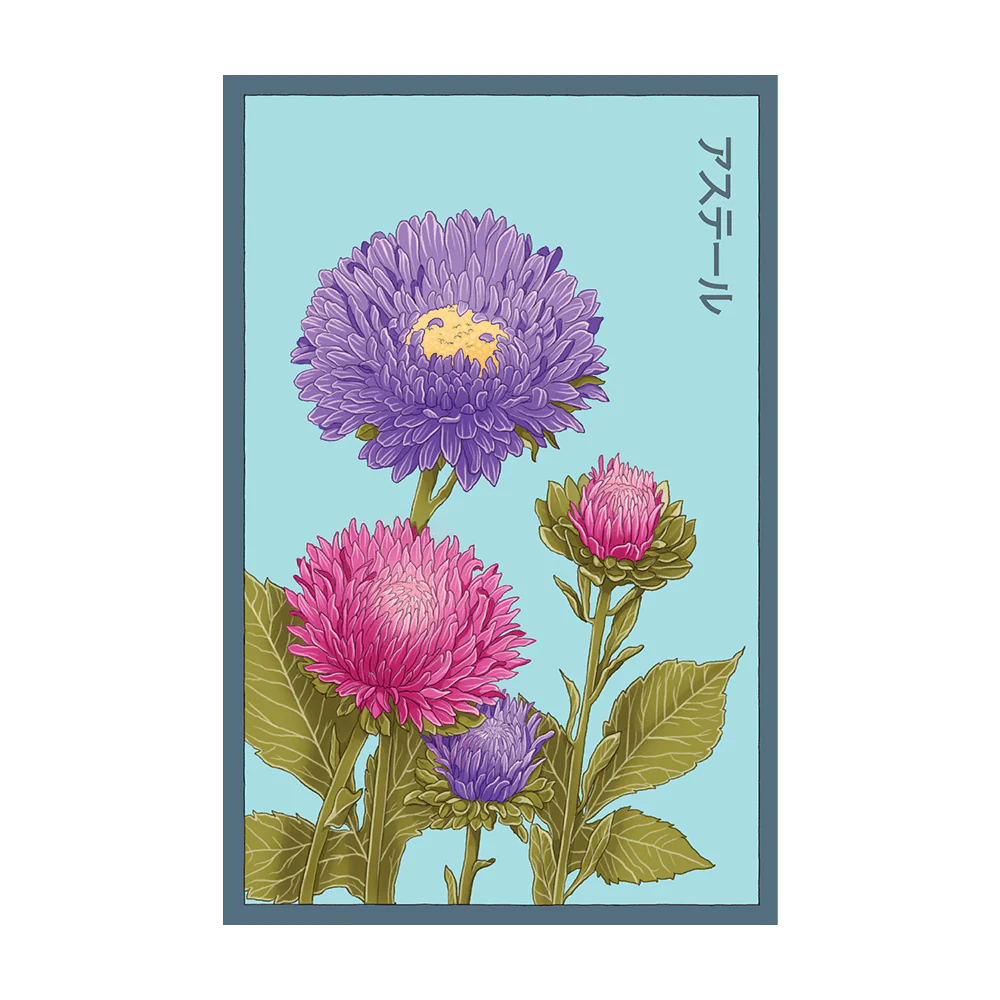
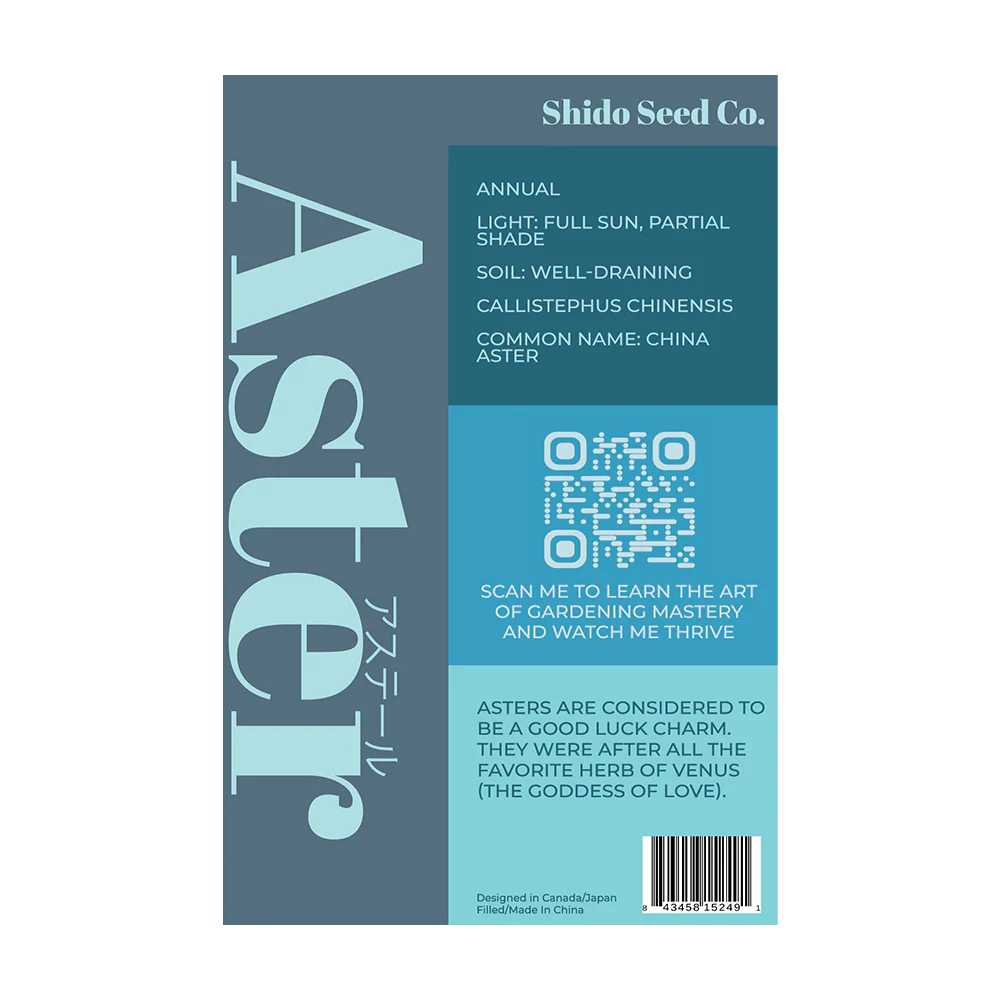
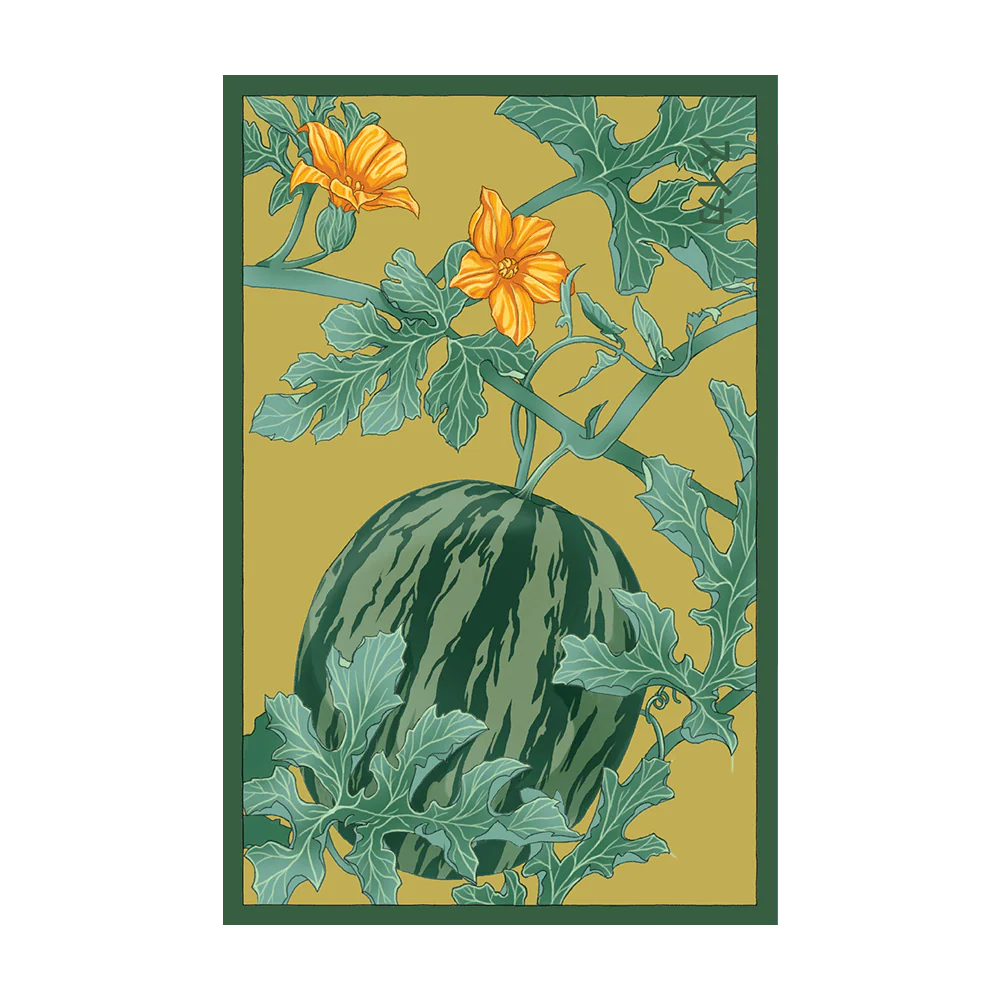
Every Shido seed packet is illustrated in the style of Japanese 1910s woodblock printing -- designed and drawn in-house by Chive, the Toronto ceramics studio that has been exhibiting at the Chelsea Flower Show in London every year and does not, as a matter of principle, sell to big-box retailers. Customers collect the packets as a series. This was not the original plan.
Product Information
Product Information
Shipping & Returns
Shipping & Returns
Description
Peter Pepper seeds for the kitchen garden that intends to actually produce peter pepper this year. The Peter Pepper is grown for its flavour and its remarkable shape, in that order, technically.
Peter Pepper is a medium-heat heirloom pepper with a famously unusual shape that tends to generate conversation at the market. Each packet is hermetically vacuum-sealed -- removing the oxygen that causes standard paper seed packets to lose germination viability within approximately one year. State law requires a 3-year viability label on sealed packaging. NASA research on hermetic seed storage indicates viability of up to 10 years under proper conditions. Every packet is non-GMO and germination-tested at independent third-party labs before it earns its Japanese woodblock print artwork.
How to Grow Peter Pepper from Seed
Sowing and Germination
Start indoors 8-10 weeks before last frost at 24-27C. Transplant after soil warms.
Care and Harvest
Medium heat. Ornamental shape. 70-80 days. Matures from green to red. Also known as the chili penis for its distinctive form.
Why Vacuum-Sealed Seeds Last Longer
Standard paper seed packets are permeable to oxygen and moisture -- the two primary causes of seed degradation. Most paper-packaged seeds begin losing germination viability after approximately one year, contributing to significant garden-industry waste: packets purchased, not planted, expired, discarded. Shido Seeds are hermetically vacuum-sealed. The packet does not expire quietly in a drawer. It waits.
About the Packaging
Every Shido seed packet is illustrated in the style of Japanese 1910s woodblock printing -- designed and drawn in-house by Chive, the Toronto ceramics studio that has been exhibiting at the Chelsea Flower Show in London every year and does not, as a matter of principle, sell to big-box retailers. Customers collect the packets as a series. This was not the original plan.