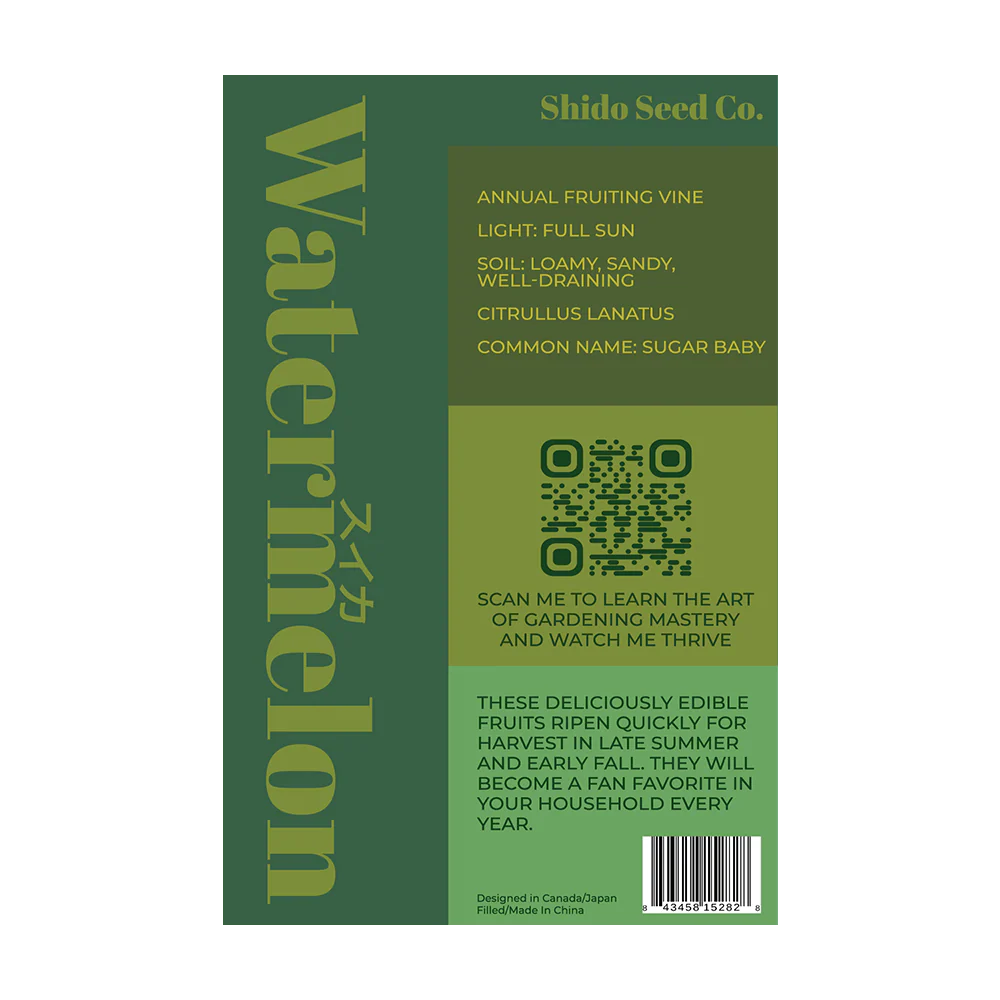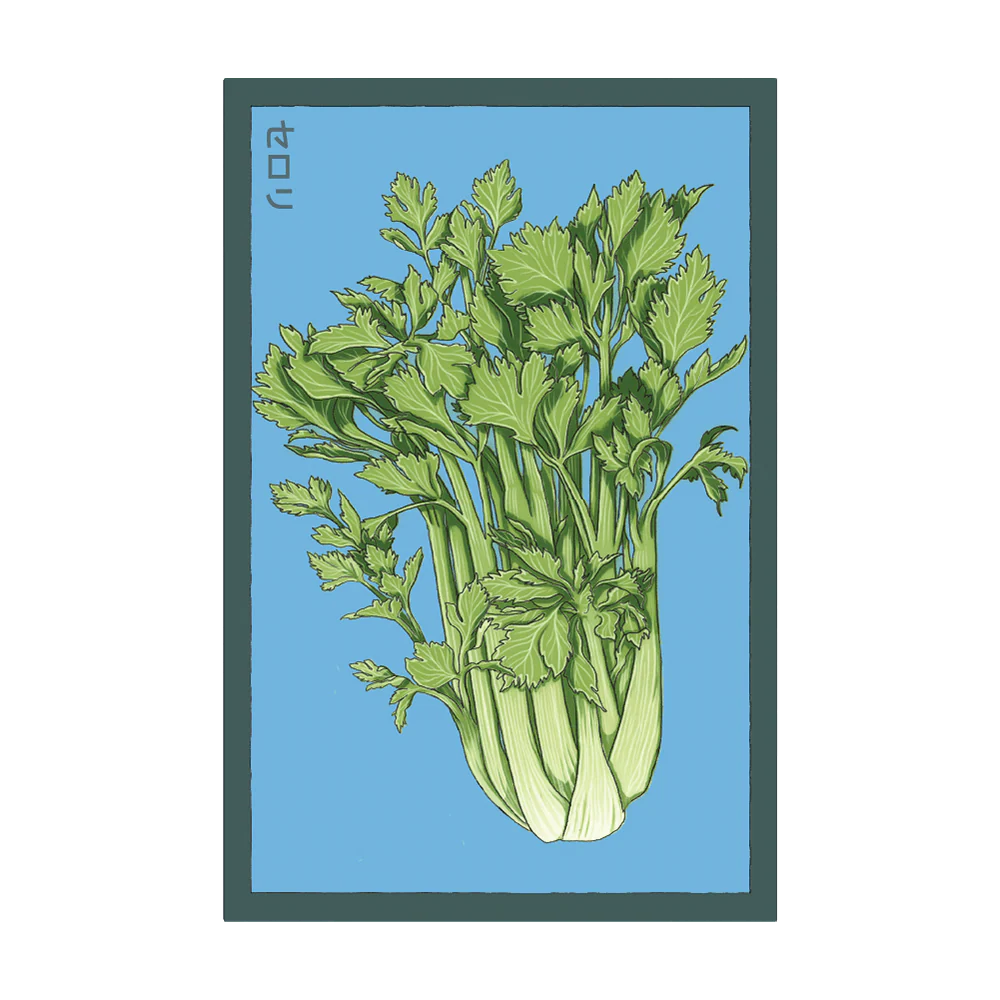
Celery Vegetable Seeds Packet
Celery seeds for the kitchen garden that intends to actually produce celery this year. Celery is not a forgiving crop, which means growing it successfully is a genuine achievement and the gardener may say so.
Celery is a demanding but rewarding vegetable that produces best when given consistent moisture and genuine attention. Each packet is hermetically vacuum-sealed -- removing the oxygen that causes standard paper seed packets to lose germination viability within approximately one year. State law requires a 3-year viability label on sealed packaging. NASA research on hermetic seed storage indicates viability of up to 10 years under proper conditions. Every packet is non-GMO and germination-tested at independent third-party labs before it earns its Japanese woodblock print artwork.
How to Grow Celery from Seed
Sowing and Germination
Start indoors 10-12 weeks before last frost. Needs consistent moisture throughout. Surface sow.
Care and Harvest
Demanding -- needs constant moisture and fertile soil. Harvest from outside. 100-120 days.
Why Vacuum-Sealed Seeds Last Longer
Standard paper seed packets are permeable to oxygen and moisture -- the two primary causes of seed degradation. Most paper-packaged seeds begin losing germination viability after approximately one year, contributing to significant garden-industry waste: packets purchased, not planted, expired, discarded. Shido Seeds are hermetically vacuum-sealed. The packet does not expire quietly in a drawer. It waits.
About the Packaging
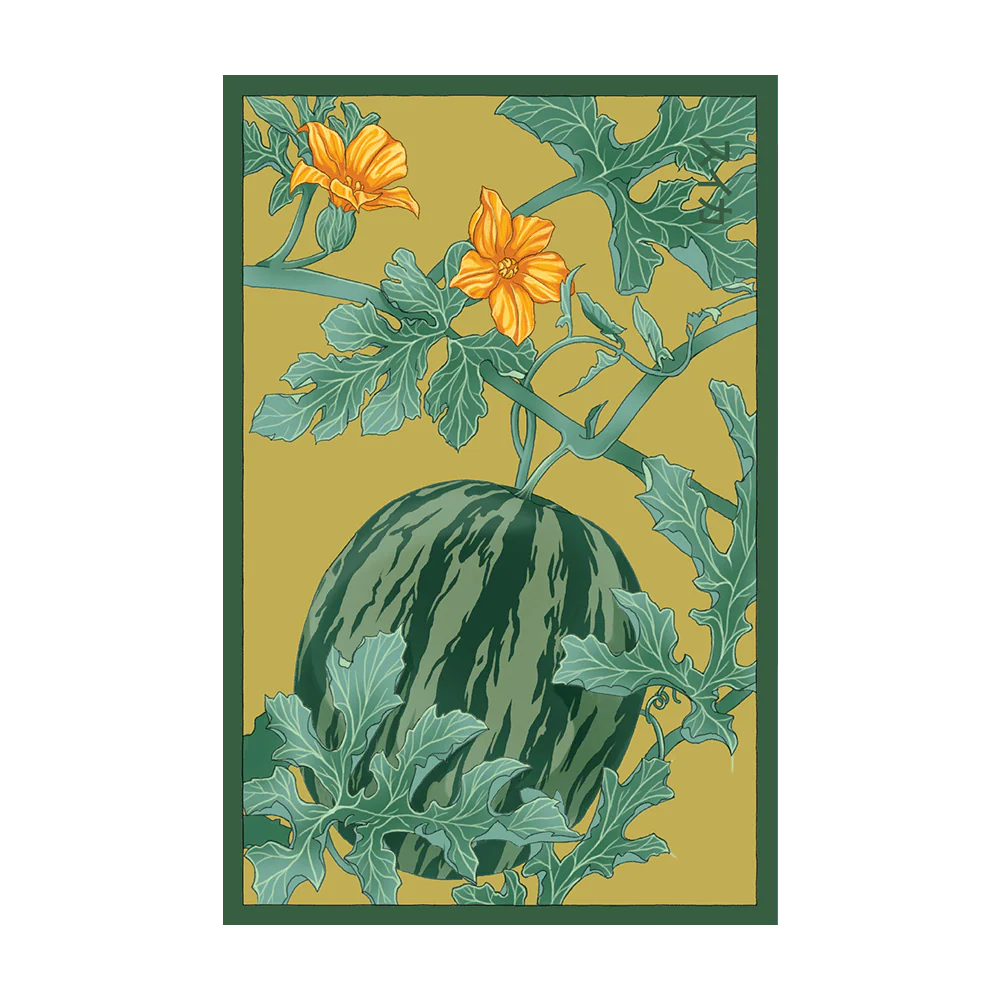
Every Shido seed packet is illustrated in the style of Japanese 1910s woodblock printing -- designed and drawn in-house by Chive, the Toronto ceramics studio that has been exhibiting at the Chelsea Flower Show in London every year and does not, as a matter of principle, sell to big-box retailers. Customers collect the packets as a series. This was not the original plan.
Original: $4.95
-65%$4.95
$1.73Product Information
Product Information
Shipping & Returns
Shipping & Returns
Description
Celery seeds for the kitchen garden that intends to actually produce celery this year. Celery is not a forgiving crop, which means growing it successfully is a genuine achievement and the gardener may say so.
Celery is a demanding but rewarding vegetable that produces best when given consistent moisture and genuine attention. Each packet is hermetically vacuum-sealed -- removing the oxygen that causes standard paper seed packets to lose germination viability within approximately one year. State law requires a 3-year viability label on sealed packaging. NASA research on hermetic seed storage indicates viability of up to 10 years under proper conditions. Every packet is non-GMO and germination-tested at independent third-party labs before it earns its Japanese woodblock print artwork.
How to Grow Celery from Seed
Sowing and Germination
Start indoors 10-12 weeks before last frost. Needs consistent moisture throughout. Surface sow.
Care and Harvest
Demanding -- needs constant moisture and fertile soil. Harvest from outside. 100-120 days.
Why Vacuum-Sealed Seeds Last Longer
Standard paper seed packets are permeable to oxygen and moisture -- the two primary causes of seed degradation. Most paper-packaged seeds begin losing germination viability after approximately one year, contributing to significant garden-industry waste: packets purchased, not planted, expired, discarded. Shido Seeds are hermetically vacuum-sealed. The packet does not expire quietly in a drawer. It waits.
About the Packaging
Every Shido seed packet is illustrated in the style of Japanese 1910s woodblock printing -- designed and drawn in-house by Chive, the Toronto ceramics studio that has been exhibiting at the Chelsea Flower Show in London every year and does not, as a matter of principle, sell to big-box retailers. Customers collect the packets as a series. This was not the original plan.